
The current handwringing over the sanctity of the Federal Reserve’s independence is, to put it mildly, a bit like watching a long-running soap opera and pretending this is the first time the lead characters have had an affair. The audience knows what is going to happen, but the principal three characters go through the motions, apparently oblivious to what has occurred in previous episodes, because the script demands it.
In this particularly hackneyed drama, the three characters are the President, the Federal Reserve, and the Market. And the plot is about who is in a relationship with whom, who will be unfaithful first, when the jilted one finds out, and how bad the breakup is.
Excuse my old-world cynicism, but in my long experience of international investing, the “independence” of the central bank has often been more a polite suggestion than a hard rule. The Fed is, alas, no different, and it’s worth remembering that the desire for a “sympathetic” ear at the Fed is not a modern populist invention. It is, in fact, almost an American tradition, though significantly more expensive.
Alas, and therein lies the problem. It often feels like a soap opera you can safely ignore until you find out everybody is talking about it, and it has entered public discourse. And unlike your standard soap opera, the big breakup has real-world consequences, as history shows.
The gold standard for “sympathetic” Fed Chairs remains Arthur Burns. When Richard Nixon appointed Burns in 1970, he didn’t just want a competent economist; he wanted a wingman. Nixon, still haunted by his 1960 loss, which he blamed on tight monetary policy, was crystal clear: he needed the economy humming for the 1972 election.
Burns, despite his academic pedigree and pipe-smoking gravity, obliged. He kept the monetary spigots wide open, ignoring the rising steam of inflation. Nixon got his landslide victory, and the American public got a decade of “Stagflation.”
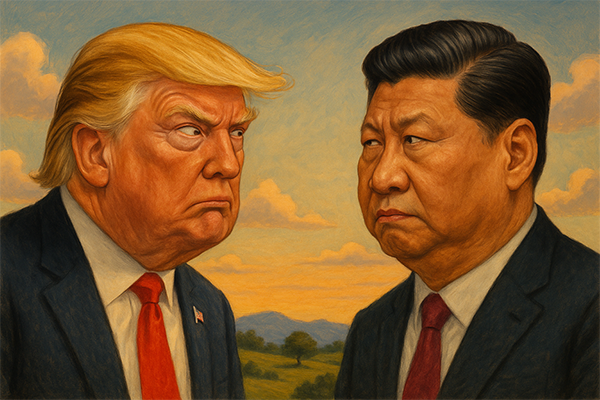
For sheer dramatic tension, nothing beats the high noon showdown at Johnson’s ranch. Despite his “unique” style, Trump is positively cuddly compared to Lyndon B. Johnson, who once literally drove Fed Chair William McChesney Martin to his Texas ranch and allegedly physically attacked him for raising rates. LBJ’s philosophy was simple: “My boys are dying in Vietnam, and you’re raising interest rates.” Even Harry Truman tried to bully the Fed into keeping rates low to service WWII debt, leading to the 1951 Treasury–Fed Accord, the very document that was supposed to end this kind of political speed-dating.
The problem with a “sympathetic” Fed is that sympathy is usually directed toward the politician’s re-election prospects rather than the economy’s needs. When a President successfully installs a dove to juice growth, they are essentially trying to defy the primordial forces behind the economy.
As we’ve seen time and again—from the 1970s to the post-2008 “New Normal”—lowering rates into an already warm economy doesn’t just create growth; it often creates bigger problems. It often fuels asset bubbles and, eventually, consumer price inflation. By the time the political “win” is secured, the inflationary genie is out of the bottle, and the Fed is forced to eventually play the villain, raising rates far higher than they would otherwise have needed to.
It is the monetary equivalent of eating an entire chocolate cake for breakfast; the rush is fantastic, but the 2:00 PM crash is inevitable. Do it for long enough, and a miserable period of dieting is inevitable.
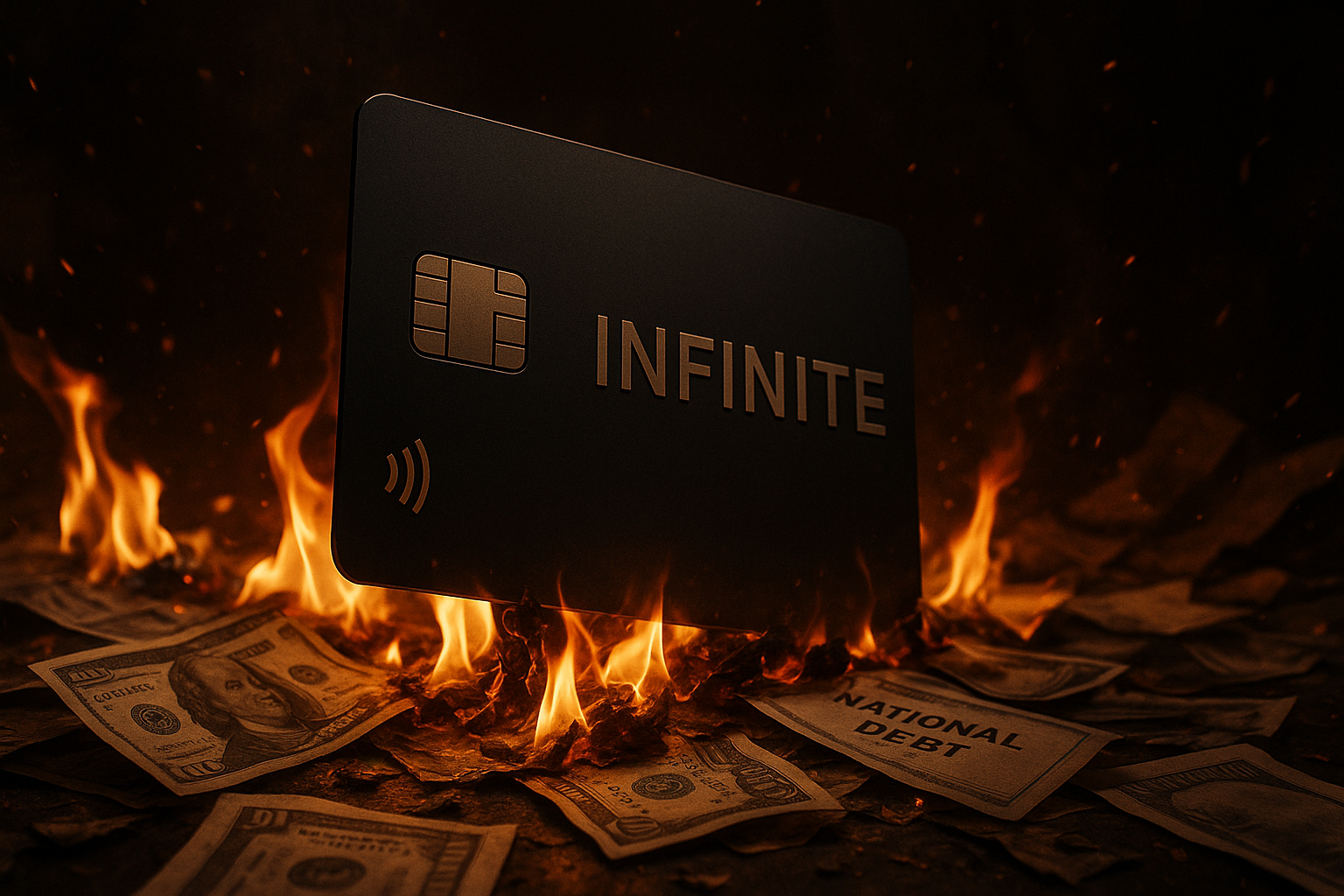
We are currently in a cycle where political pressure on the Fed is once again becoming “vocal.” Whether it’s through public jawboning or the appointment of “loyalists,” the goal remains the same: lower rates to facilitate deficit spending and goose the markets. History suggests they will likely succeed in the short term, and we will likely pay for it in the long term.
The question is, what to do about it?
If we are entering an era of “fiscal dominance” where the Fed is more a passenger than a driver, changes to portfolios are likely to be required. These would be the broad strategies I would consider:
In essence, watch the politics but trade the maths (it’s plural in British English, forgive me). This is important, as just because the Fed has a new governor doesn’t mean there will be an immediate change in policy.
In fact, the Fed is almost unique in the pretence of unanimity among the voting members. Open disagreements, rather like public arguments between couples, are more common in Europe. We are just more relaxed about these things, or the fact that the economy is flatlining, and we have nothing better to do. I get confused.
If the Fed does become more “sympathetic,” your portfolio should become “defensive.” We’ve seen this soap opera plot before; the ending is often the same, and it often pays to switch the channel early.
Disclosure: This material is for informational purposes only and should not be considered investment advice. An investor should consult with their financial professional before making any investment decisions. The opinions contained herein are subject to change without notice and do not necessarily reflect the opinions of Rayliant Investment Research. Indices cannot be invested in directly and are unmanaged.
You are now leaving Rayliant.com
The following link may contain information concerning investments, products or other information.
PROCEED